Roofing Leads News: The Cost and Trust Trends Worth Tracking
Most roofing leads news is a vendor's pitch wearing a headline. A post about "record demand" usually ends with a form to buy a list, and a "state of the industry" roundup usually ends with a demo request. This roundup skips both and pulls only the verified figures worth knowing, then sorts what actually changed from what just got repackaged with a new label.
The Roofing Leads News Worth Your Attention
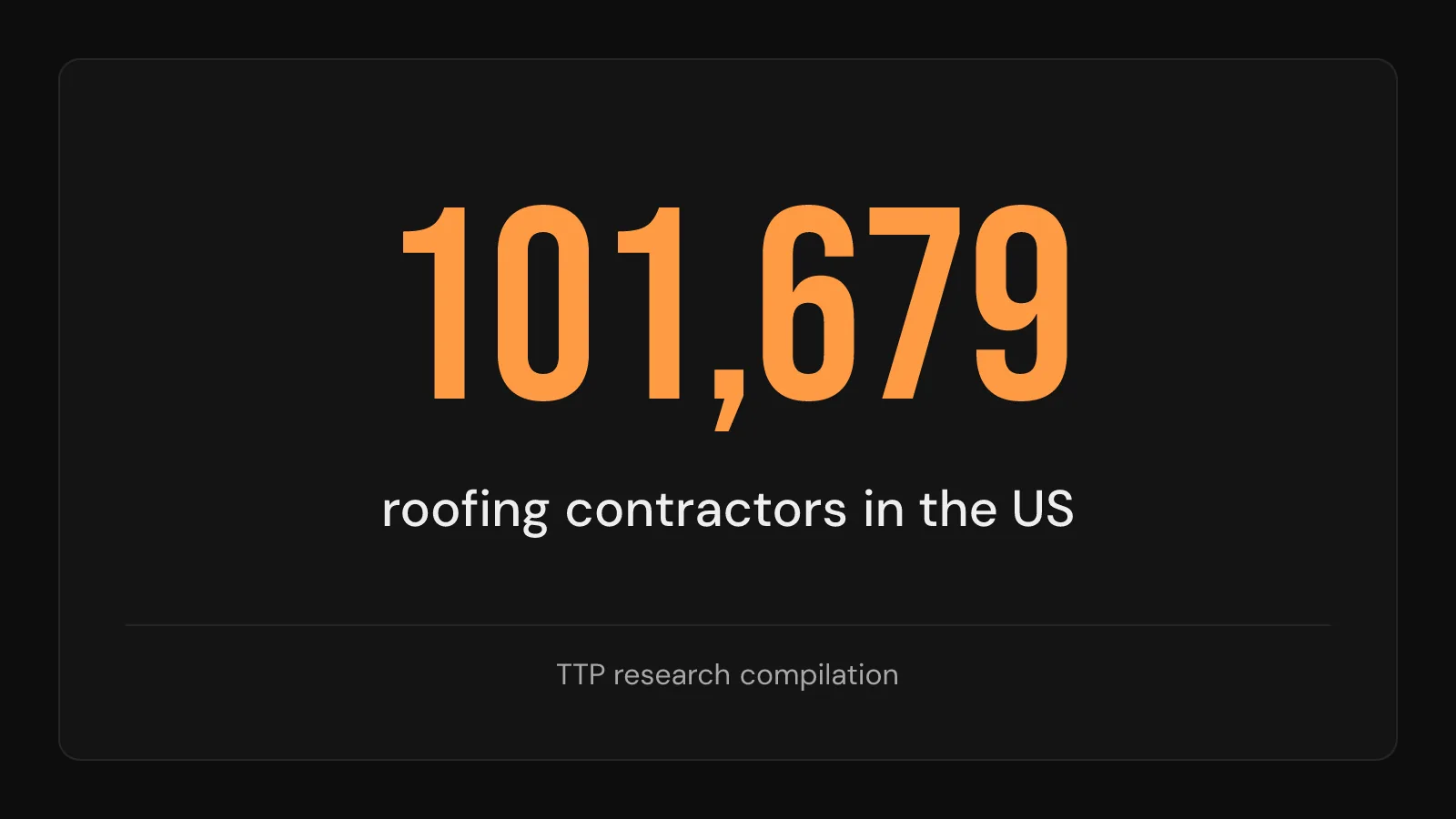
The roofing industry is large: the United States holds 101,679 roofing contractors, and most run crews of 20 or fewer. That scale means a shift in what leads cost, or a drop in a marketplace's close rate, moves through most of the industry at once rather than staying contained to a handful of businesses.
Three numbers are worth checking against your own before trusting any single "leads are up" or "leads are down" claim:
- What a lead actually costs, depending on where it came from.
- How often that lead becomes a signed job.
- How much the industry itself trusts the companies selling those leads.
All three also move with the local market, which is why a national average is only ever a starting point: demand that arrives in storm-driven bursts gets a shared list resold faster and answered slower, and roofing leads in Tulsa work out to different arithmetic than the same list bought in a steady-demand city. The rest of this roundup walks through each one in order.
What Roofing Leads Cost Right Now
A roofing lead from Google Ads averages $228 (LocaliQ), and top performers still pay under $75 for a lead from the same channel. That gap almost always comes down to landing page quality and follow-up speed, more than which bidding strategy is running.
| Google Ads roofing lead | Cost per lead | What typically explains the gap |
|---|---|---|
| Industry average | $228 | Slower follow-up, generic landing pages, broad targeting |
| Top performers | Under $75 | Fast callback, a trust-building landing page, tighter targeting |
For the full breakdown of what roofing leads actually cost per booked job, including the math needed to turn a cost-per-lead number into a cost-per-job number, that page walks through it end to end.
Why Close Rates Depend on Where the Lead Came From
Cost per lead only tells half the story. The other half is how often that lead actually becomes a signed job, and that number moves a lot depending on the source:
- Industry average close rate: 15 to 27%. The baseline most roofing companies are working from today.
- Top-performing crews: over 30%. The gap between average and top comes down to follow-up speed and how the homeowner is handled after the first call more than which platform the lead came from.
- Shared leads from the big marketplaces: 5 to 15%. The same list gets sold to several contractors at once, so the homeowner is fielding multiple calls, and whoever answers first and builds trust fastest usually wins the job.
A shared lead can still be a good buy at a 5% close rate, if it costs little enough and the follow-up is fast enough to win the race for it. Cost per booked job is the number that actually settles the question; cost per lead and close rate only answer it together. A roofing leads case study read honestly walks through exactly this math on a real lead set.
The Trust Problem Behind the Numbers Above
70% of roofing companies do not trust the marketing provider they already pay. That statistic explains a pattern that shows up constantly: companies keep renewing the same underperforming lead source because switching feels riskier than admitting the current one already fell short.
This is where the cost and close-rate numbers above actually matter. A contractor who has never checked their own cost per booked job against these benchmarks has no real way to know whether their current provider has earned the trust being extended to it by default. Checking the number is most of the fix, before any conversation about switching providers even starts. The word-of-mouth side of the pipeline deserves the same scrutiny, and how a referral converts against a cold or purchased lead is that check applied to the leads nobody sends you an invoice for.
Some providers respond to this trust gap with a lead guarantee. It is worth understanding what lead guarantees actually promise before treating one as the whole fix; a guarantee changes the downside risk of a single bad lead, and it leaves the underlying source's close rate exactly where it was. The Trust Process does not sell leads. This roundup exists to make the numbers easier to check before you buy from anyone.
What This Means If You're Buying Leads Right Now
Put your own numbers through the same math before reacting to anyone's "roofing leads news," including this one.
- Look up what you paid per lead last month, broken out by source.
- Check what percentage of those leads turned into a signed job.
- Divide the cost per lead by the close rate to get a real cost per booked job, then compare it against the benchmarks below.
| What to check | Industry benchmark |
|---|---|
| Cost per lead (Google Ads) | $228 average; under $75 for top performers |
| Close rate by source | 15 to 27% industry average; 30%+ for top crews; 5 to 15% on shared leads |
| Trust in your current provider | 70% of roofing companies do not fully trust theirs |
Reading your own numbers against this table matters more than reacting to any single headline about the roofing leads market. That one number, cost per booked job, is worth writing down and rechecking every few months, regardless of which provider is currently selling the leads.
A contractor who owns roofing leads that actually close instead of renting a shared list is working from a different set of numbers than the ones in the table above. The other lever worth checking is how many jobs are coming in without a lead being bought at all: SEO for roofing contractors is the mechanism behind that, and it changes the cost-per-lead conversation entirely once it is working.
Frequently Asked Questions
Are roofing lead costs trending up or down?
Costs vary far more by source and execution than by any single trend line. Google Ads averages $228 per lead industry-wide, while top performers on the same platform pay under $75 for a comparable lead. Before asking whether costs are trending anywhere, check which side of that gap your own campaigns are landing on.
Is the roofing industry slowing down right now?
The steadier number to ground this conversation in is the roughly 101,679 roofing contractors currently operating in the United States, most running crews of 20 or fewer, since reliable national slowdown data is thin. A "slowing down" claim in any single article is usually a regional or seasonal observation dressed up as a national trend.
Why do so many roofing companies say they don't trust their lead provider?
Seventy percent of roofing companies report not trusting the marketing provider they already pay, and the most common reason is a provider that never showed its numbers clearly enough to earn that trust. Renewing anyway, rather than switching, usually comes down to the switching cost feeling higher than the discomfort of staying.
Does a higher close rate always mean a better lead source?
Not always. A shared marketplace lead closing at 5 to 15% can still be a strong deal per booked job if it costs little enough and the follow-up is fast enough to win it, while a Google Ads lead closing above 30% can still be a poor deal once a high cost per lead erases the advantage. Cost per booked job, calculated together with close rate, is the number that actually answers this question.
What's actually new in how roofing companies are finding leads?
The individual channels are still the same: paid search, shared marketplaces, referrals, and organic search. The gap between the top and bottom performers inside each channel has widened, from $228 down to under $75 on Google Ads and from 5 to 15% on shared leads to over 30% on owned demand. That widening gap is worth tracking as roofing leads news this year.