Cold Calling for Roofing Leads: What Actually Works
Cold calling for roofing leads is one of the oldest ways to fill a schedule, and it still works when you run it right. It is also a grind. You dial a lot of numbers to book one job, and most of the people who pick up were not waiting to hear from a roofer. That is the honest starting point. Done well, it puts jobs on the board in a slow week. Done lazily, it burns your afternoon and your voice for nothing. This is the playbook: who to call, what to say, when to call them, and the part most crews skip. What you do after the call decides whether any of that dialing turns into signed work.
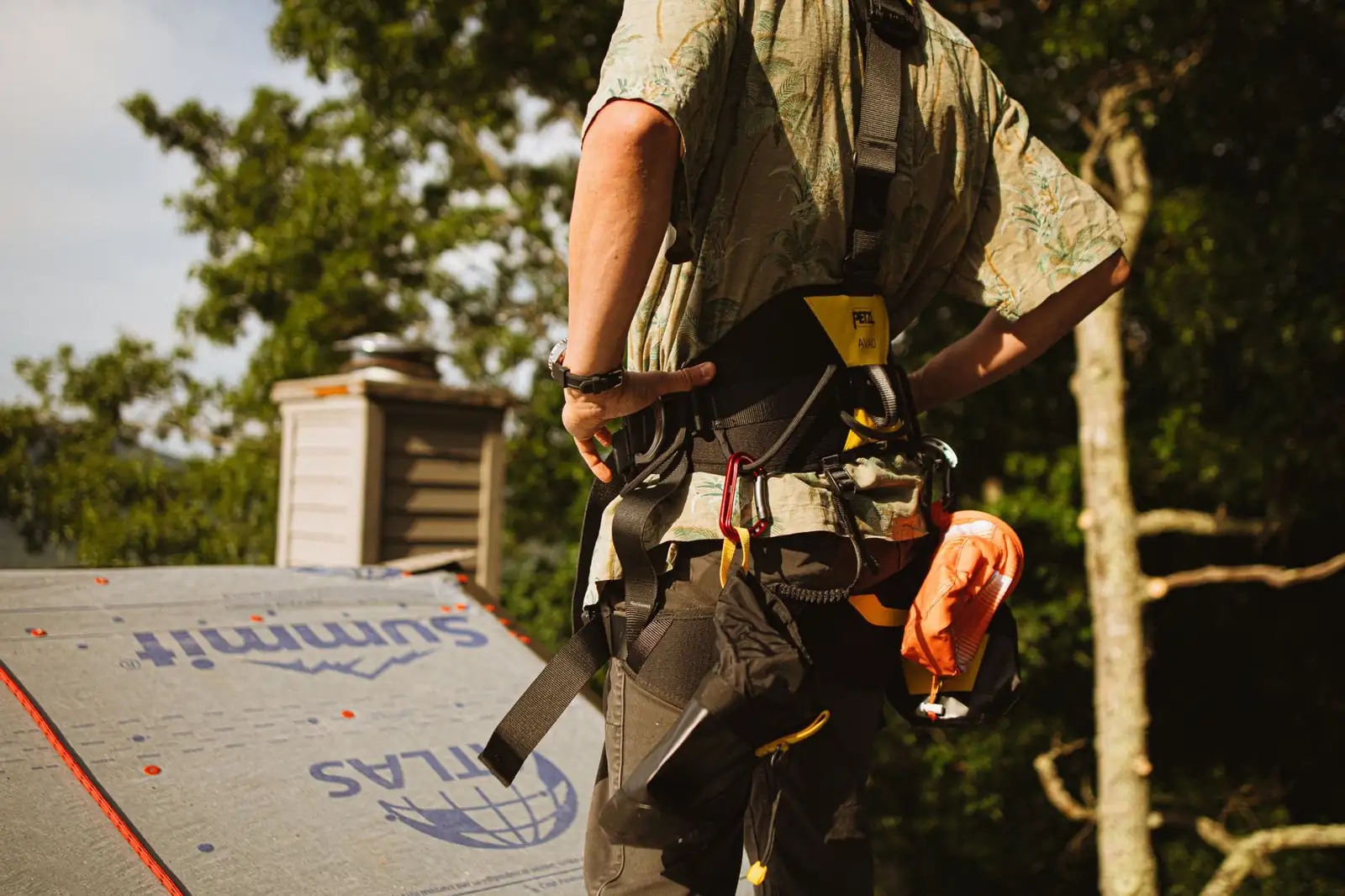
How cold calling for roofing leads actually works
Cold calling for roofing leads works on volume and timing. You build a list of homeowners who might need a roof, you call them, and you try to book an inspection before they hang up. Most calls end fast. A few turn into appointments. The math only holds up if your list is good and your follow-up is quick.
Here is the honest hit rate: even a sharp caller books a small slice of the people who answer. That is normal. The job is to make more calls to the right people. A magic line that closes strangers does not exist.
A clean call runs in a set order:
- Build the list. Storm-hit ZIP codes, neighborhoods with 15-year-old roofs, and your own dead estimates from last season.
- Open with a reason. Say who you are and why you are calling this street in one breath.
- Qualify the roof. Ask two questions about age and any recent weather, then listen.
- Handle the brush-off. Expect a no, and have a calm answer ready.
- Set the inspection. Offer a specific day and time rather than an open invitation.
- Follow up. Most booked jobs come after the first call.
Skip the list step and you are just dialing strangers. That is where most roofers quit and decide the whole channel is dead.
A roofing cold call script that does not sound like a script
A script keeps you calm. It should never sound like one. Read a paragraph word for word and the homeowner hears a telemarketer in the first three seconds. Use a frame instead, and fill in the words yourself.
A good opener does four things fast:
- Names the neighborhood so you sound local.
- Names the reason you are calling today.
- Asks for 20 seconds instead of assuming it.
- Gets to the roof before they get bored.
Something like: "Hi, this is Mike with Danielson Roofing. We are doing roof checks over on Maple this week after that hail came through. Do you have 20 seconds? I just want to see if yours got hit." Plain. Local. Honest about what you want.
The real skill is the brush-off. Most people say no on reflex before they even think about it. Do not argue. Give them an easy off-ramp and one reason to stay:
| What they say | A calm response |
|---|---|
| "I'm not interested." | "Totally fair. Most folks say that until they see the photos. Want me to check it while I'm on the street?" |
| "We already had someone look." | "Good. Did they get up on it, or eyeball it from the driveway?" |
| "Just send me some info." | "Happy to. What is the best number to text a couple of photos to after I look?" |
None of that is pushy. You are offering the homeowner a small, low-risk yes, because communication is what they remember about you. When two bids are close, 67% of homeowners say communication quality makes the decision. Your call is the first proof of it.
When to call so someone actually picks up
Timing decides whether anyone answers at all. A roofer is not sitting by a landline at 10 a.m. on a Tuesday, and neither is the homeowner you want. Call when working people are home and calm.
- Best windows: weekday evenings after work, and Saturday late morning.
- After a storm: the two or three days right after hail or heavy wind moves through a ZIP code, while it is still fresh.
- Worst windows: Monday morning, the dinner hour with kids in the house, and anything after 8 p.m.
Storm season is real context, so use it plainly. A call the week hail actually hit a neighborhood lands very differently from a cold pitch in a quiet month. You are calling when the roof is already on their mind, which makes the timing legitimate. The same window matters on the inbound side too: storm damage roofing leads covers what decides whether a homeowner calls a crew back once the phone starts ringing instead of the other way around.
What happens after the call is where the job is won or lost
Here is the part that separates crews that grow from crews that just dial. The callback is where the job is actually won.
The moment a homeowner says "call me back" or fills out the form you texted them, a clock starts. Reach them inside five minutes and you are in a completely different position. Call a lead inside five minutes and you are 100x more likely to reach them and 21x more likely to qualify them than if you wait half an hour. Wait until tomorrow and someone else already has the job.
It is not close, either. 62% of homeowners hire the first contractor who answers. The roofer calling back at 9 a.m. the next morning is often calling a homeowner who already signed with the guy who picked up last night.
| You call back in | What usually happens |
|---|---|
| Under five minutes | You reach them, you qualify, you often book |
| A few hours | They are already talking to two other roofers |
| Next morning | The job is frequently gone |
So fast follow-up is the whole game. Dial all afternoon and let the callbacks sit, and you did the hard part while skipping the payoff. This is the same reason how fast response wins roofing leads matters more than most crews think.
Cold calling versus the leads you already have
Before you spend another afternoon on cold lists, look at the leads already coming in. Most roofing companies already get enough leads. Their real gap is speed and follow-up on the ones they have.
Cold calling and owned demand are different tools:
| Cold calling | Leads you already own | |
|---|---|---|
| Cost | Your hours | Your website, reviews, and reputation |
| Close rate | Low, it is a volume game | Higher, they chose to call you |
| Repeatable | Only while you keep dialing | Compounds over time |
Here is the quiet cost most owners miss. While you are dialing strangers, the phone in your pocket is ringing with people who already want you. One missed call costs the average roofing contractor over $2,500. Miss 10 in a month and that is $25,000 gone. An afternoon of cold calls is not free if it sends three inbound calls to voicemail.
Cold calling still has a place. It works best once your owned pipeline is already handled, as a way to fill a slow week rather than your main plan. We went deep on that trade-off in buying roofing leads vs owning the demand.
The real goal is owning your lead pipeline, so cold calling becomes a bonus on top of jobs that were already coming your way.
Where The Trust Process fits, and where it does not
Quick honest note, since you are on our site. The Trust Process does not sell roofing leads, and we do not make cold calls for you. We fix the reason leads slip away after they reach you:
- A website that earns trust on a phone.
- Follow-up that answers in seconds instead of hours.
- A Google profile that backs up what your crew actually does.
So if cold calling books you inspections but half of them never become signed jobs, look at what happens in the minutes after the call. That is usually where the leak is. The same leak swallows any roofing phone lead that arrives already ringing, bought, dialed, or organic.
The best cold call in the world still loses to a roofer who answers faster. That is worth fixing before you buy another list.
Frequently Asked Questions
Is cold calling for roofing leads still worth it in 2026?
Cold calling for roofing leads is still worth it in 2026, with a caveat. It works as a volume tool to fill slow weeks, but it is one of the lowest-yield hours you can spend next to answering the leads already coming in. Treat it as a supplement once your inbound and follow-up are handled, and for the owned side of that plan, start with generating your own roofing leads.
Is cold calling cheaper than buying roofing leads?
Cold calling costs less cash than buying roofing leads, but it costs more of your time. A bought shared lead has a fixed price and three other roofers racing you to the phone, which is why bought leads are a race. A cold call trades that cash cost for hours and a low connect rate, so which one is cheaper depends on whether your afternoons or your bank account has more room.
Do I need to buy a list to start cold calling for roofing leads?
You do not need to buy a list to start cold calling for roofing leads. Most roofers begin with public information: storm-hit neighborhoods, streets with visibly aging roofs, and their own pile of estimates that never closed. A paid list can save time later, but it is not required to make your first calls this week.
What should I do when a roofing cold call goes to voicemail?
When a roofing cold call goes to voicemail, leave one short message with a specific reason for calling, then follow up with a text. Do not call five times in a row from the same number. 85% of callers who reach voicemail never try again, and the same instinct runs in reverse, so make your one message and your follow-up text count.
Can The Trust Process make cold calls or sell me roofing leads?
No, the Trust Process does not make cold calls, sell roofing leads, or run telemarketing roofing leads campaigns. We are a roofing conversion firm, so the work is fixing what happens after a lead reaches you: your website, your follow-up speed, your Google profile, and your booking path. If you want more jobs, we help you keep and close the ones you already earn.